Stye or Chalazion: How to Tell Them Apart
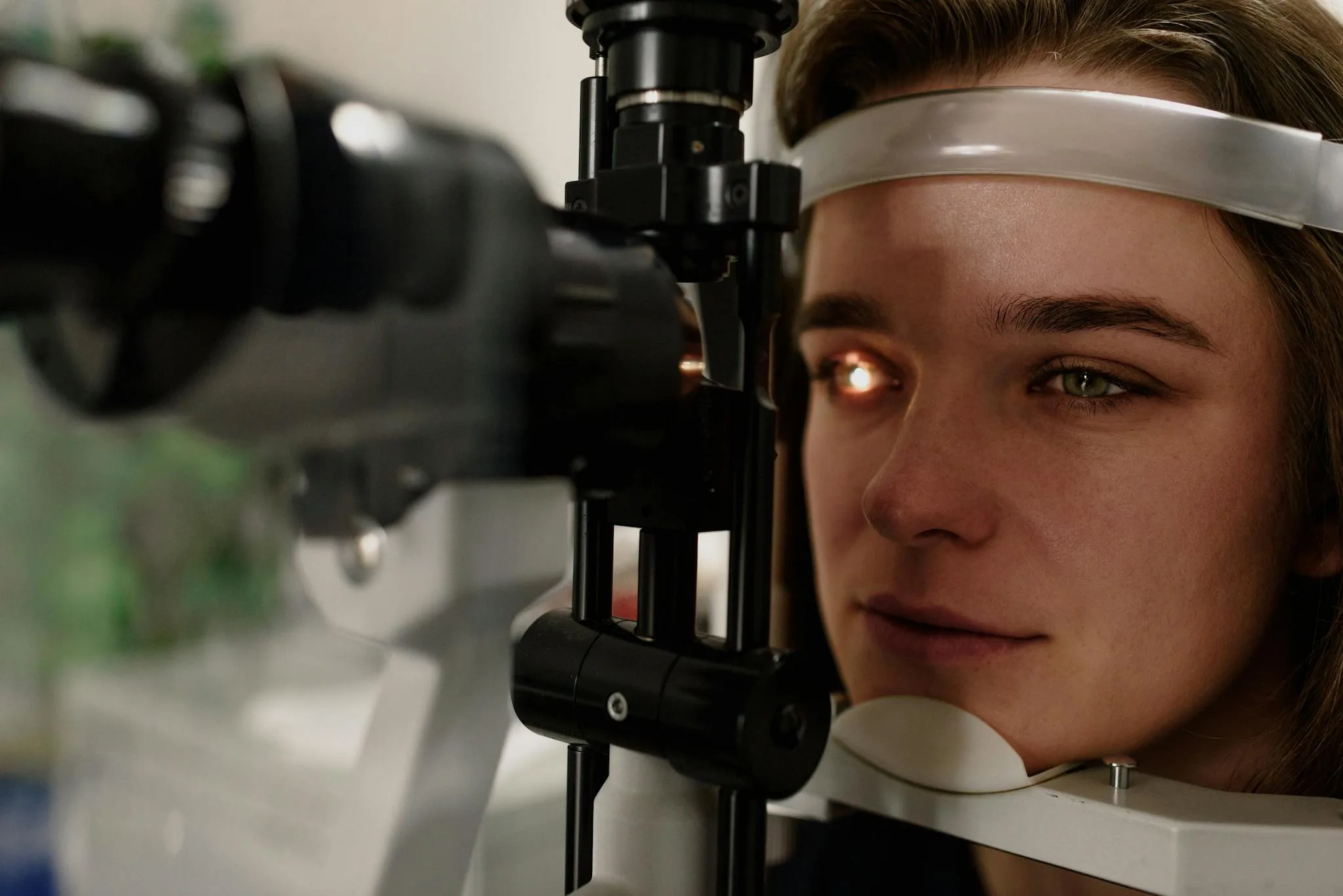
A small red, painful bump on the edge of the eyelid, or on the contrary a firm, painless lump that settles in: at first glance the two situations look alike, but they are not the same thing. Both the stye and the chalazion affect the eyelid and are often confused. Yet their cause, their course and their treatment differ. Knowing how to recognise them avoids needless worry and lets you apply the right measures. Here is how to tell them apart, simply.
Quick answer: pain and location make the difference
Key point. A stye is an acute infection of a gland located at the root of an eyelash. It forms a small red, warm and painful bump on the edge of the eyelid, like a pimple. A chalazion, on the other hand, is inflammation of an eyelid gland that has become blocked. It forms a firm lump, further inside the eyelid, often with little or no pain, which can persist for several weeks. In short: pain and redness at the lash line point to a stye, while a hard, painless lump points to a chalazion. Both are treated first with warm compresses and most often heal without complications.
Stye: recognising the eyelash infection
A stye, medically known as a hordeolum, is a small infection at the base of an eyelash. It appears quickly, within a day or two, as a red, swollen and tender bump pointing towards the outside of the eyelid. The eye may water and cause a feeling of discomfort, like a grain of sand. Most of the time, a stye ripens, bursts on its own and drains within a few days, then disappears. Warm compresses applied several times a day speed up this process by encouraging drainage. Above all, you should never try to pierce it yourself, as this risks making the infection worse.
Chalazion: the blocked gland that turns into a cyst

A chalazion results from the blockage of a meibomian gland, the tiny glands that produce the oily part of tears along the eyelid margin. When one of them becomes blocked, the secretion builds up and forms a firm, well-defined lump inside the eyelid. Unlike a stye, a chalazion is generally not very painful once the initial inflammation has passed. It develops slowly and can take several weeks to resolve. People prone to blepharitis or to meibomian gland dysfunction get recurring chalazia.
- Warm compresses: the basic step for both. Apply a warm to hot compress over the closed eye for a few minutes, at least morning and evening, to soften the area and encourage drainage.
- Pinch massage: for a chalazion, right after the compress and with clean hands, pinch the lump between your thumb and index finger, then press while sliding toward the lash line. You need to do it firmly: a massage that is too light does not empty the gland.
- Eyelid hygiene: cleaning the lash line limits recurrences, especially when blepharitis is also present.
- Do not pierce it: piercing the lesion, or squeezing an infected stye, can spread the infection and delay healing.
When should you see a doctor?
Most styes and chalazia heal with simple warm compresses. Advice is helpful when the lesion is still there after ten to fifteen days of well-conducted care, when it grows, or when a chalazion interferes with vision by pressing on the eye. Certain signs should raise more concern: swelling that spreads to the whole eyelid, diffuse redness, fever or intense pain may point to a wider infection that needs prompt care. For a persistent chalazion, a minor in-office procedure, incision and curettage, can be scheduled as soon as the eyelid is no longer inflamed. And for any eyelid lesion that changes in appearance or keeps coming back in the same spot, an examination can rule out a less ordinary cause.
FAQ
Frequently asked questions
How long does a stye or a chalazion last?
A stye often disappears within a few days to a week. A chalazion develops more slowly and can take several weeks to resolve. Regular warm compresses help in both cases.
Can you pierce a stye or a chalazion?
No. You should never try to pierce the lesion yourself, or to squeeze a stye, as this can spread the infection and delay healing. Heat encourages natural drainage; for a chalazion, the pinch massage that follows the compress empties the gland through its natural opening, which has nothing to do with piercing the lesion. A procedure, if needed, is carried out at the practice.
Is a stye contagious?
A stye is not truly contagious from one person to another the way conjunctivitis is. But good hand hygiene remains useful to avoid spreading bacteria to the other eye or causing a secondary infection of the area.
Why do I keep getting chalazia?
Recurrences are often linked to blepharitis or to a dysfunction of the meibomian glands that line the eyelid. Daily eyelid hygiene and appropriate follow-up reduce how often episodes occur.
How can I tell whether I have a stye or a chalazion?
Pain and location make the difference. A stye forms a small red, warm, painful bump on the edge of the eyelid, at the root of an eyelash, and it appears quickly, within a day or two, like a pimple. A chalazion forms a firm, well-defined lump, sitting further inside the eyelid, often with little or no pain once the initial inflammation has settled, and it develops slowly. In practice the starting treatment is the same in both cases: warm compresses.
How should warm compresses be applied?
Apply a warm to hot compress to the closed eye for a few minutes, at least morning and evening. The heat softens the secretions and helps them drain naturally. For a chalazion, follow with a firm pinch massage: pinch the lump between your thumb and index finger and press it while sliding toward the lash line, which helps empty the gland. The key point is consistency: many patients give up after two days, when regularity is exactly what makes the difference. Round it off by cleaning the lash line, which limits recurrences.
When should a lump on the eyelid be seen by a doctor?
An opinion is worth having when the lesion is still there after ten to fifteen days of well-conducted care, when it is growing, or when a chalazion presses on the eye and disturbs vision. Other signs call for quicker care: swelling that spreads across the whole eyelid, diffuse redness, fever or severe pain, which can suggest a wider infection. A lesion that changes in appearance, or that keeps coming back in the same spot, also deserves a careful examination.
Scientific sources
- Gordon AA, Danek DJ, Phelps PO. Common inflammatory and infectious conditions of the eyelid. Dis Mon. 2020;66(10):101042. PMID 32622681.
- Carlisle RT, Digiovanni J. Differential Diagnosis of the Swollen Red Eyelid. Am Fam Physician. 2015;92(2):106-112. PMID 26176369.
Further reading
- Red eye: causes and when to worry
- Conjunctivitis: types, duration and treatment
- Dr Moïse Tourabaly, ophthalmologist
- Book an appointment at the Cachan practice
Consultations in Cachan, Paris 13 and at the Sorbonne Saint-Michel practice (Paris 5th) · Tel. +33 1 45 47 08 11
Getting an eyelid that won’t settle examined
If the lump persists after ten to fifteen days of warm compresses and massage, if it grows or interferes with vision, an examination can confirm the diagnosis and offer the right solution. To do this, book an appointment with Dr Moïse Tourabaly. Consultations take place in Cachan, Paris 13 and at the Sorbonne Saint-Michel practice (Paris 5th).
This article is intended for information and educational purposes. It does not replace a medical consultation. A painful, persistent eyelid lesion that grows or alters vision should be assessed by an ophthalmologist. Sources: articles indexed on PubMed.
Written and reviewed by Dr Moïse Tourabaly, ophthalmic refractive surgeon — former chef de clinique (Quinze-Vingts National Eye Hospital).
Last updated: September 23, 2026